 As I have previously noted (most recently here), something of an anti-ESG backlash has started to take shape, at least in certain quarters. Legislatures in several states have passed legislation prohibiting state pension funds from investing in ESG- focused investments or prohibiting the state from doing business with companies that boycott certain industries. The backlash has also taken the form of litigation, as, for example, with respect to the lawsuit recently filed against Starbucks board pertaining to the company’s diversity, equity, and inclusion initiative (DEI).
As Alison Frankel discusses in an October 26, 2022 post on her On the Case blog (here), and in the latest manifestation of this kind of anti-ESG litigation, a nonprofit group has filed an action against the pharmaceutical giant Pfizer based on the company’s sponsorship of a foundation offering fellowships aimed at Black, Latino, Native American and other minority candidates. This latest lawsuit is yet another indication that the companies that get caught up in ESG litigation may the companies taking ESG initiatives, perhaps more so that ESG laggards. Continue Reading Suits Targeting Firms Seeking to Boost Minorities Highlight ESG Risks
 The SEC imposed fines on U.S. exchange-listed publicly traded companies at the highest levels in years during fiscal year 2022 (which ended September 30, 2022), according to an analysis published Saturday by the Wall Street Journal. As the Journal noted, the fines imposed during the fiscal year on firms accused of wrongdoing “underscore the Biden Administration’s tougher regulatory stance.” The October 29, 2022 Wall Street Journal article, entitled in the online edition “Under Biden Administration, Wall Street Watchdog’s Fines Surge,” can be found
 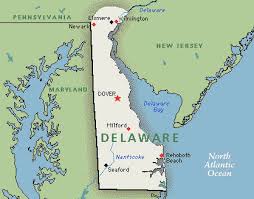 In the latest development a long-running D&O insurance coverage dispute, a Delaware Court has held that Verizon’s D&O insurance program covers the company’s $95 million settlement of a bankruptcy Trustee’s fraudulent transfer claim. In reaching this conclusion, the Court held, among other things, that the fraudulent transfer claim was a “Securities Claim” within the meaning of Verizon’s primary D&O insurance policy. The specifics of the court’s analysis of this issue underscores how complicated the question of what constitutes a “Securities Claim” can be. A copy of Delaware Superior Court Judge Eric Davis’s October 20, 2022 opinion can be found

 As I have previously noted, plaintiffs’ lawyers have over the last several months filed a plethora of securities class action lawsuit against companies that became publicly traded through a merger with a Special Purpose Acquisition Company (SPAC). Since these cases have only just been filed, few of the cases have yet reached the initial pleading hurdles. However, in a ruling last week, Central District of California Judge

 As readers of this blog know, there have been important case law developments in Delaware concerning boards’ duty of oversight. In the following guest post, the authors review the key recent developments and consider the practical implications for boards. The authors of this paper are: Sebastian M. Alia, Deputy General Counsel, Hudson Insurance Group; H. Stephen Grace, Ph.D., President, H.S. Grace & Company, Inc.: Alvin H. Fenichel, CPA, Senior Advisor, H.S. Grace & Company, Inc.; and Joseph P. Monteleone, Esq., Partner, Weber Gallagher. A version of this article previously was published in the ACC Docket. I would like to thank the authors for allowing me to publish their articles on this site. I welcome guest post submissions from responsible authors on topics of interest to this blog’s readers. Please contact me directly if you would like to submit a guest post. Here is the authors’ article.
  Most D&O insurance policies preclude loss resulting from fraudulent or criminal misconduct. However, most policies specify that the exclusion applies only if there has been a judicial determination that the precluded misconduct has taken place. What specific judicial determination is required in order to trigger the exclusion is a matter of policy wording. In an interesting recent ruling, Southern District of New York Judge
  In prior posts on this site (for example