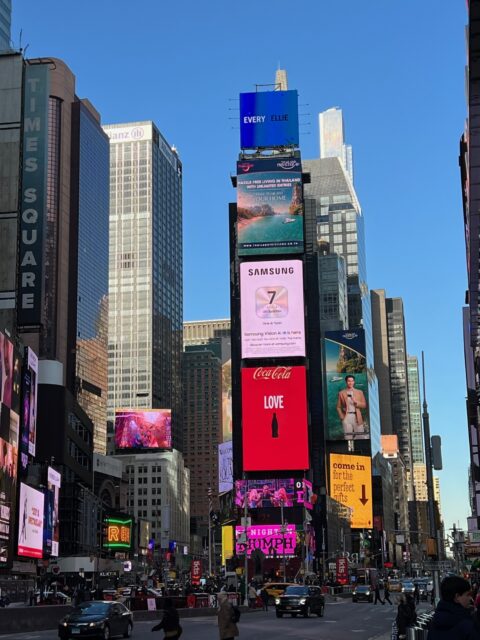
The D&O Diary was on assignment this past week in New York City for the Professional Underwriting Liability Society (PLUS)’s annual D&O Symposium, held at the Marriott Marquis in Times Square. It was great to once again see and meet with so many of our industry friends, who conveniently for us were all gathered together briefly in one place. Continue Reading PLUS D&O Symposium in NYC





 Most D&O insurance policies preclude loss resulting from fraudulent or criminal misconduct. However, most policies specify that the exclusion applies only if there has been a judicial determination that the precluded misconduct has taken place. What specific judicial determination is required in order to trigger the exclusion is a matter of policy wording. In an interesting recent ruling, Southern District of New York Judge