
 Back in 2009, one of the prominent securities litigation filing trends was the prevalence of “belated” securities class action lawsuit – that is, cases filed at the very end of the limitations period rather than in immediate aftermath of a stock price decline
And then in 2011, perhaps the most significant securities lawsuit filings
 A recurring issue in the litigation the FDIC has filed against the directors and officers of failed banks is the question of whether or not officers – as opposed to directors – can rely on the business judgment rule as a defense under applicable state law. A July 8, 2013 decision by Judge Dean Pregerson applying
 In a
In a  An important accessory to the indemnification rights of directors and officers is their right to have their defense expenses advanced while the claims against them are pending, before their ultimate right to indemnification has been determined. A frequently recurring issue is the question of when the company may withhold advancement. This issue often arises when
 In my former days on the carrier side, our D&O insurance group advocated for our policyholders a program of securities litigation loss prevention, on the theory that there are steps companies can take to make themselves less likely to be a securities suit target or better able to defend themselves if they are hit with
 Travel has a definite allure. The opportunity to break from the routine and to experience something new offers the perfect antidote to the tedium of everyday life.
 An important recurring issue is the questions whether the prior filing of a securities class action lawsuit tolls the applicable statute of repose under the federal securities laws. In an important June 27, 2013, the Second Circuit issued an important decision on this question, holding that the tolling doctrine does not apply to three-year statue
 Buoyed by an influx of case filings in the final days of June, securities class action lawsuit filings during the first half of 2013 remained roughly on pace with 2012 filings, although well below the historical average number of filings. Though the absolute numbers of filings so far this year are below historical averages, the number of
 On June 25, 2013, in a judicial development that may help ease the curse of multi-jurisdiction litigation, Chancellor
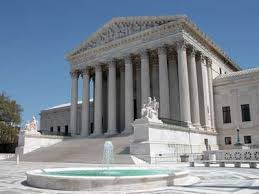 In the latest in a series of decisions in which it has upheld the enforceability of arbitration agreements, the U.S. Supreme Court ruled on June 20, 2013 that an arbitration agreement with a class action waiver is enforceable even it meant that an individual’s cost of pursuing a claim exceeded the economic value of the