
On April 10, 2026, International Business Machines Corporation (IBM) became the first company to settle with the Trump Administration to resolve allegations that it violated the False Claims Acts (FCA) by implementing diversity, equity, and inclusion (DEI) as part of its hiring practices.  As we have discussed in prior posts, this Administration has clearly signaled that it would use the FCA as part of its an anti-DEI campaign and that, as of late 2025, the DOJ had already launched investigations of DEI consideration in hiring or promotion at major U.S. companies.  

Continue Reading The IBM DEI False Claims Act Settlement and the D&O Risk Implications

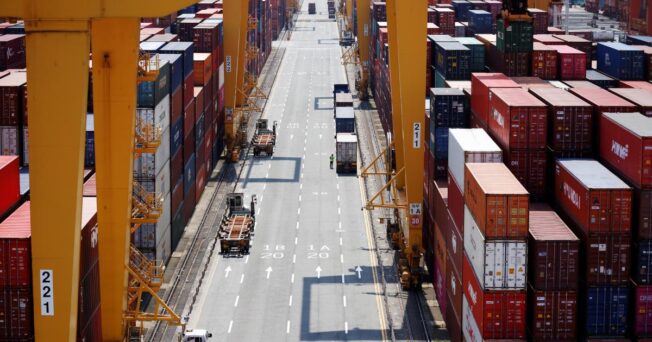
In the immediate aftermath of the U.S. Supreme Court’s ruling that President Trump lacked authority to impose tariffs under the International Economic Emergency Powers Act (IEEPA), the President defiantly issued an Executive Order imposing new global 10% tariffs (later raised to 15%) in reliance on the Section 122 of the Trade Act of 1974. No President previously has used Section 122 to impose tariffs. Now a coalition of 24 states’ Attorneys General and Governors has filed a lawsuit in the United States Court of International Trade against the President and certain of administration officials challenging the President’s Section 122 tariffs. The plaintiffs argue that the circumstances under which the President has authority under Section 122 to impose tariffs not only does not exist now, but has not existed for over 50 years following changes in the global monetary exchange system in the 1970s. The likelihood is that the President will have to find yet another basis on which he can impose tariffs – which he seems likely to continue to try to do.

Continue Reading State AGs Challenge President’s Trump’s Section 122 Tariffs

The Trump Administration’s tariff policies have unquestionably had an impact on the global economy, as well as on the operations and financial performance of at least some individual companies. However, the overall impact has turned out to be less than economists and other observers feared at the time of President Trump’s “liberation day” announcement earlier this year. As discussed below, a number of factors have contributed to the tariffs’ muted impact. However, there are reasons to be concerned that the full effect of the tariffs is yet to kick in so far but may be felt in 2026, with potential consquences for D&O insurance underwriters.

Continue Reading Big AI Investments Have Muted the Tariff Impact. But Will it Continue?