 On April 22, 2015, in a sweeping win for health insurer Anthem Inc., the Indiana Supreme Court held that excess reinsurers on the company’s self-insured E&O insurance program must pay the company’s costs of defending and settling allegations that it had improperly failed to pay, underpaid, or delayed paying medical reimbursement claims. The Court rejected
D&O Insurance: FDIC’s Claims Against Failed Bank’s Directors and Officers Not Related to Earlier Claims, Trigger Separate Policy Period
 On July 9, 2014, in yet another in the ever growing line of cases examining whether or not separate D&O claims involving interrelated wrongful acts, District of Puerto Rico Judge Gustavo Gelpi, applying Puerto Rico law, held that the FDIC’s claims against the former directors and officers of the failed Westernbank did not involve
D&O Insurance: Excess Insurance Not Triggered Due to Insolvency of Underlying Insurer and Due to Insufficient Loss
 In a long and convoluted opinion befitting the long and convoluted case in which it was entered, Judge David Grine of the Pennsylvania (Centre Country) Court of Common Pleas, applying Pennsylvania law, entered summary judgment for an excess D&O insurer, holding that the excess insurer’s payment obligation had not been triggered due to the insolvency
Insurance Coverage: Six-Month Delay in Providing Notice Not “As Soon as Practicable”
 Has notice of claim been provided “as soon as practicable” if it is sent to the insurer during the policy period but six months after service on the insured of the underlying complaint? Apparently not, at least according to a June 6, 2014 opinion of a New Jersey intermediate appellate court, applying New Jersey law.
NY Court of Appeals Reverses Itself, Holds Insurer’s Breach of Duty to Defend Doesn’t Waive Coverage Defenses After All
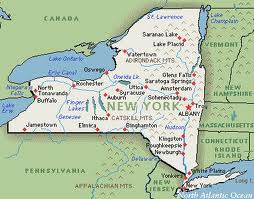 In an unusual development in a closely watched case, K2 Investment Group, LLC v. American Guarantee & Liability Ins. Co., the New York Court of Appeals has reversed its own June 2013 ruling in the case in which it held that a legal malpractice insurer that breached its duty to defend is barred from
Insurer Breaching Duty to Defend Cannot Rely on Policy Exclusions to Disclaim Duty to Indemnify
An insurer that breached its duty to defend may not later rely on policy exclusions to escape its duty to indemnify the insured for a judgment against him, according to a June 11, 2013 decision from the New York Court of Appeals. The Court of Appeals opinion can be found here.
A legal
D&O Insurance: Providing Coverage for Plaintiffs’ Fee Awards?
 A recurring D&O insurance coverage issue is the question of whether or not the D&O insurance policy provides coverage for a plaintiffs’ fee award. The question often arises in the context of a settlement of a shareholders’ derivative suit that includes an agreement to pay the plaintiffs’ attorneys fees as part of the settlement. In
Guest Post: Settlor Capacity v. Fiduciary Capacity — Does Wearing Two Hats Mean You May be Denied Coverage?

 I am pleased to publish below a guest post from Rhonda Prussack, Executive Vice President and Product Manager, Fiduciary Liability, for Chartis, and her colleague at Chartis, Larry Fine, Global Head Professional Liability Claims, Financial Lines Claims. Rhonda’s and Larry’s guest post is written in response to a recent guest post on this blog about the
Fidelity Insurance and the Timing of the Employer’s Responsibility for an Employee Defalcation
 On August 1, 2011, in a 2-1 decision characterized by a testy but interesting exchange between the majority and the dissent, the Sixth Circuit held that a fidelity policy provided coverage for nearly one million dollars a bank employee stole from client brokerage accounts. For those who (like me) are not regularly involved in fidelity
Guest Post: Internal Investigation Costs: How Investigations Coverage May Fail
 One of the perennial D&O insurance issues is the question of coverage for investigative costs. Several recent cases have taken a close look at these recurring issues. In the following guest post, my good friend Kara Altenbaumer-Price (pictured) examines recent developments in this area and the important factors that can affect the analysis. Kara is