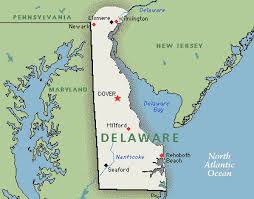
In a ruling that is sure to provoke controversy in the insurance community, the Delaware Supreme Court held in a split decision that, because the corporate parent was not a Named Insured under the applicable Commercial General Liability (CGL) policies, the corporate parent’s payment of the self-insured retentions (SIRs) did not satisfy the SIR requirements, and therefore that the insurers’ coverage obligation was not triggered. As discussed below, there is a lot to say about the Court’s decision, which is, in my opinion, a doozy. The Court’s August 12, 2025, opinion can be found here.Continue Reading What Happens if Parent Rather than “Named Insured” Subsidiary Pays the Retention?
If the underlying insurers have paid their limits, you would generally expect that the next-in-line excess insurer would also have to pay its limit as well for losses within its layer. However, in an appellate decision with what is arguably an unexpected twist, an appellate court has held – in reliance on express policy language – that an upper layer excess carrier is relieved of its obligation to pay because the underlying carriers, all of whom paid their full limit, did not admit liability. The Third Circuit’s January 19, 2024, decision, marked “not precedential,” can be found here. A January 21, 2024, LinkedIn post about the decision by Paul Curley of the Kaufman, Borgeest & Ryan law firm can be found here.Continue Reading Excess D&O Insurance Coverage Barred Because Underlying Insurers Didn’t Admit Liability